
AMP Lab Research
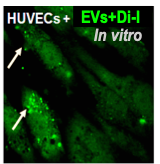 Individuals with type 2 diabetes are at high risk for cardiovascular disease. The reason for this elevated disease risk is in part related to reduced abilities of insulin to act on different tissues like blood vessels and skeletal muscle. However, the exact reason is unclear. Newer work suggests cells called extracellular vesicles might be involved. This is important to assess to help identify best treatment plans that reduce disease risk. As a result, we look to assess these cells in people who have: 1) healthy body weight and normal glucose levels 2) obesity and normal glucose levels; and 3) obesity and type 2 diabetes. People should be between the ages of 30-80 years old, not smoke, and not currently exercise on a routine basis. We will screen all people to see if they qualify and measure: fitness, body composition, vascular health and blood flow as well as energy metabolism to better understand how these cells act. People with obesity or type 2 diabetes will undergo a personalized exercise training for 16 weeks at Rutgers, with tests performed again after training. Compensation is up to $500. For more information and to see if you qualify, fill out our pre-screening questionnaire at https://redcap.link/4nx8fesl or e-mail our team:
 Individuals with prediabetes/type 2 diabetes are often advised to exercise to manage blood glucose levels. What is unclear is if the time of day in which people exercise matters. This is important as circadian biology suggests that blood glucose control may vary across the time of day. It is not clear if exercise at specific times of day would be better for glucose health. Here we look to compare whether exercise in the morning versus afternoon impacts blood glucose regulation and vascular health. Individuals with prediabetes/type 2 diabetes will be screened to see if they qualify and will be offered fitness, body composition, blood glucose, vascular health, and blood flow as well as energy metabolism measures to better understand health. Quality of life questionnaires will also be performed. Exercise training will be for 2 weeks. Tests before and after training will be done. For more information, e-mail our team at
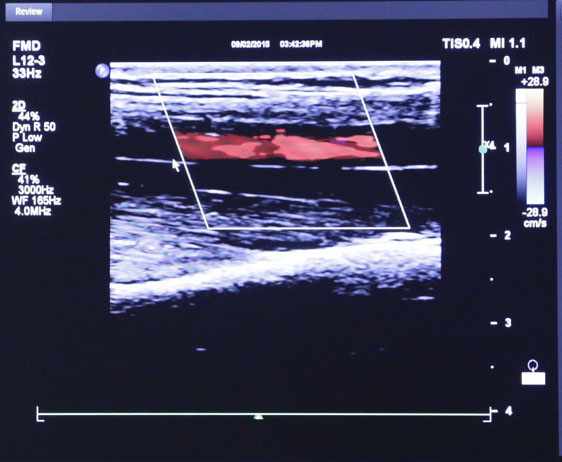 Individuals with obesity are at high risk for type 2 diabetes and cardiovascular disease. The hormone insulin rises after meals and promotes dilation of large arteries that elevate blood flow in the capillaries. This is important for delivery of oxygen and nutrients to tissues, like skeletal muscle, heart and the brain, to make energy. However, people with excess body weight do not always see this response in the presence of insulin. While exercise is known to increase blood flow and increase insulin sensitivity of muscle, it is unclear if exercise impacts heart and/or brain insulin sensitivity following a single bout of exercise. It is also unclear what is the best type of exercise. Individuals will be screened to see if they qualify and will be offered fitness, body composition, vascular health and blood flow as well as energy metabolism measures to better understand metabolic and cardiovascular health. Tests for memory and recall will also be performed. For more information please email
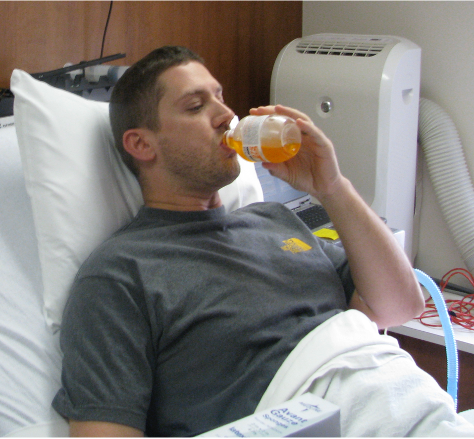 Individuals with metabolic syndrome are at high risk for type 2 diabetes and cardiovascular disease. The ideal exercise prescription for these individuals, however, remains unclear. In addition, it is unknown if people taking medication during an exercise training program have different health responses compared with people exercise alone. This question is important given that several people with metabolic syndrome are recommended to take medicine to reduce disease risk. We are particularly interest in metformin interactions with exercise since it is the most prescribed medication to regulate blood glucose levels. Our study will therefore look at the role of exercise intensity training for 16 weeks, with or without metformin, in people with metabolic syndrome. We will screen all people to see if they qualify and measure: fitness, body composition, vascular health and blood flow as well as energy metabolism to better understand the optimal treatment plan to prevent disease progression. All people will receive supervised exercise session and parking at Rutgers. For more information, e-mail Jaclyn Dosik, M.Ed at